Smart Glasses Privacy: Why Meta's Reach Worries Users
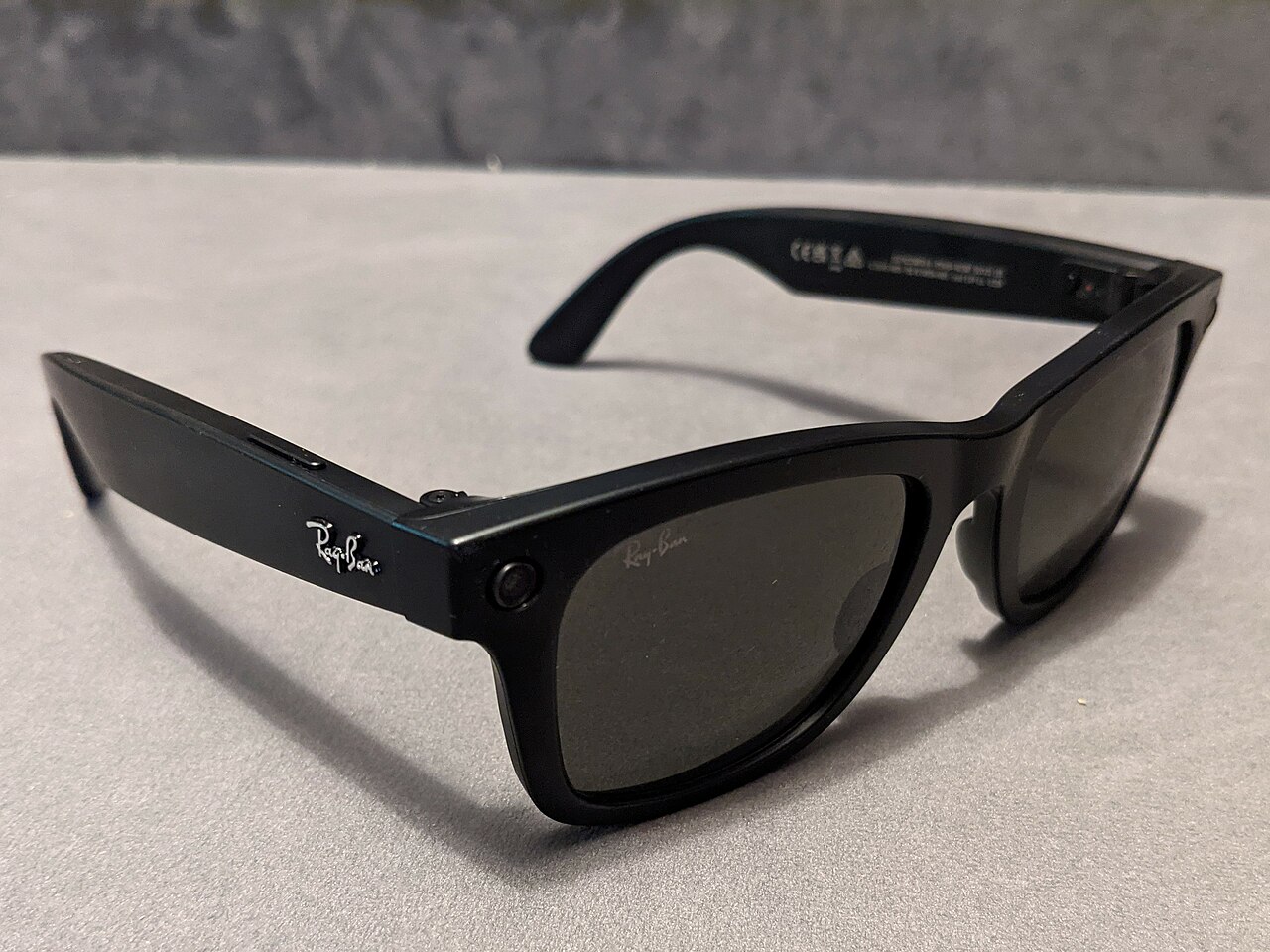
The landscape of personal technology is constantly evolving, bringing us closer to a future once only imagined in science fiction. Among the most exciting innovations are smart glasses – sleek, sophisticated eyewear promising seamless integration of digital information into our daily lives. From hands-free photography and instant notifications to augmented reality overlays, the appeal of these devices is undeniable. However, as companies like Meta push boundaries with products such as the Ray-Ban Meta smart glasses, a significant hurdle emerges for many potential users: the pervasive concern over privacy. The question of
lunettes connectées vie privée (connected glasses privacy) is no longer theoretical; it's a palpable anxiety defining consumer choices.
The Allure of Smart Glasses Meets a Privacy Wall
Smart glasses, as showcased at events like CES, often boast impressive features: elegant designs that blend in with traditional eyewear, intuitive controls for capturing photos and videos, audio capabilities for calls and music, and even AI assistants. They offer a promise of enhanced connectivity and convenience, allowing users to interact with the digital world without constantly reaching for a smartphone. This blend of style and functionality makes them incredibly tempting to early adopters and tech enthusiasts alike.
Yet, this strong pull is met with an equally strong pushback from a significant portion of the public, especially when the developer is Meta. As one user eloquently put it regarding a collaboration between Ray-Ban and Meta, "Meta est déjà trop incisive dans notre vie privée ! Ça serait des lunettes connectées mais sans collaboration avec Meta, j'aurais pu être tenté... mais là, hors de question que Meta rentre encore plus dans ma vie privée." This sentiment highlights the core dilemma: while the technology itself might be appealing, the company behind it can be a deal-breaker. The innovative potential of smart glasses often collides head-on with deeply ingrained fears about data harvesting and personal intrusion, making
lunettes connectées vie privée a dominant factor in adoption.
Meta's Pervasive Presence: Why the Concern?
To understand why Meta's involvement specifically triggers such strong privacy alarms, we must look at the company's history and business model. Meta, formerly Facebook, has faced numerous controversies regarding user data collection, privacy breaches, and its use of personal information for targeted advertising. This track record has cultivated a widespread distrust, making users wary of any new device that could potentially expand Meta's data gathering capabilities.
Smart glasses, by their very nature, are designed to be "always-on" and integrated into our most personal spaces – our faces and our immediate environments. Imagine the sheer volume and intimacy of data such an always-on device could collect:
*
Visual Data: Photos and videos of everything you see, including faces, locations, private moments of yourself and those around you.
*
Audio Data: Recordings of conversations, ambient sounds, and voice commands.
*
Location Data: Precise GPS coordinates of your movements throughout the day, indoors and out.
*
Biometric Data: Potentially, eye-tracking data, gaze patterns, and even physiological responses if equipped with advanced sensors.
*
Usage Patterns: How often you use the glasses, what features you engage with, and for how long.
*
Social Interactions: Who you interact with, where, and potentially the content of those interactions.
This level of data goes far beyond what a smartphone typically collects. It moves from tracking digital interactions to observing and recording real-world, often intimate, experiences. The fear is that Meta, with its established reputation for monetizing user data, would leverage this unprecedented stream of information to build even more detailed profiles, further blurring the lines between personal life and corporate analytics. The core of the
lunettes connectées vie privée debate thus centers on who controls this deeply personal data, and how it will be used. For a deeper dive into these specific fears, read our article:
Ray-Ban Meta: Unpacking User Privacy Concerns.
Navigating the Ethical Labyrinth: Data Collection and Consent
The advent of smart glasses introduces complex ethical questions surrounding data collection and consent, not just for the user but for those around them. How can Meta ensure meaningful consent when a user might inadvertently record bystanders, children, or private conversations without their knowledge or explicit permission? The current system of privacy policies and terms of service, often lengthy and complex, is already inadequate for explaining the nuances of data collection from traditional devices; with smart glasses, this challenge is amplified exponentially.
The collected data could be used for various purposes beyond improving the user experience, including:
*
Targeted Advertising: Even more precise ads based on what you see, hear, and where you go.
*
AI Training: Feeding vast datasets into AI models, potentially creating sophisticated surveillance capabilities.
*
Behavioral Analytics: Understanding human behavior at an unprecedented scale, with unknown implications.
Furthermore, the "bystander effect" is a significant concern. People often feel uncomfortable or violated when they realize they might be unknowingly recorded by someone's smart glasses. This can lead to social friction and a chilling effect on public interaction, as individuals become more self-conscious about being under potential surveillance. The ethical imperative for transparency and robust safeguards for bystander privacy is paramount, yet remains largely unaddressed by the current generation of devices. This specific area of concern is further explored in
Connected Glasses: Navigating Privacy Fears with Meta.
Practical Steps for the Privacy-Conscious User
Given these profound concerns, what can individuals do to protect their privacy while still engaging with emerging technologies? Navigating the world of smart glasses and Meta's involvement requires a proactive and informed approach:
*
Read Privacy Policies Carefully: While often dense, make an effort to understand what data is collected, how it's stored, and who it's shared with. Look for clear language regarding third-party access and data retention periods.
*
Understand Data Permissions: Just like with smartphones, smart glasses will have various permissions (camera, microphone, location). Be discerning about what you allow and regularly review these settings.
*
Seek Transparency Features: Look for devices that incorporate clear indicators when recording, such as visible LEDs, to inform those around you. This promotes social etiquette and respect for others' privacy.
*
Consider Alternatives: If Meta's privacy track record is a deal-breaker, research smart glasses from other manufacturers with different business models and stronger commitments to data protection, although these might be fewer in number.
*
Be Mindful of Your Environment: Regardless of the device, always be aware of your surroundings and the privacy expectations of those you interact with. Avoid recording in private settings or without explicit consent.
*
Weigh the Trade-offs: Ultimately, adopting any new technology involves a trade-off between convenience and privacy. Understand where your personal line is drawn and make an informed decision based on your comfort level.
Conclusion
The promise of smart glasses is vast, offering a future where technology seamlessly integrates into our perception of reality. However, the path to this future is fraught with complex privacy challenges, particularly when a company with Meta's history of data practices is at the helm. The user concern regarding
lunettes connectées vie privée is not merely an abstract fear; it's a legitimate apprehension about the potential for unprecedented data collection and intrusion into our most personal moments. For smart glasses to truly thrive and gain widespread acceptance, manufacturers—especially those with a track record of data controversies—must prioritize user trust through transparent policies, robust privacy controls, and an unwavering commitment to ethical data stewardship. Only then can we truly embrace the innovation without sacrificing our fundamental right to privacy.